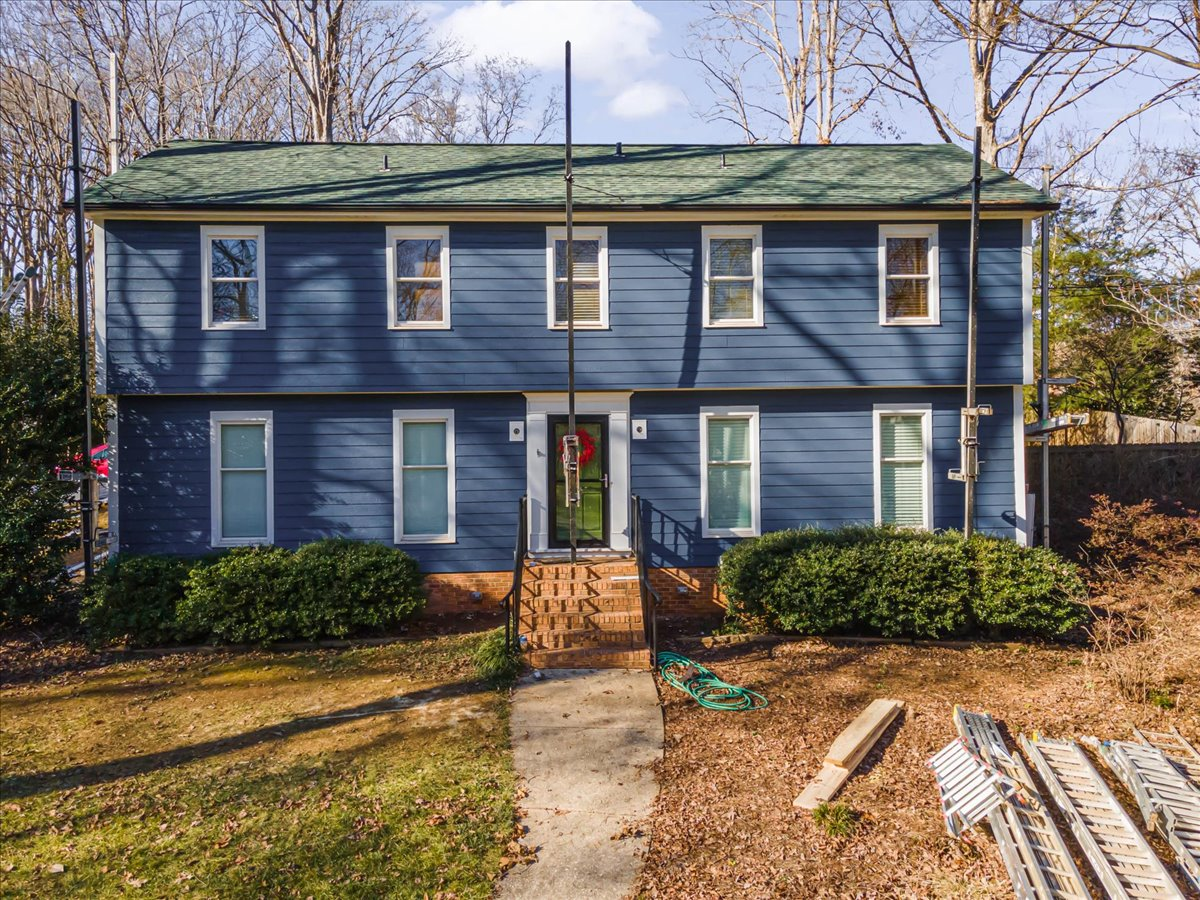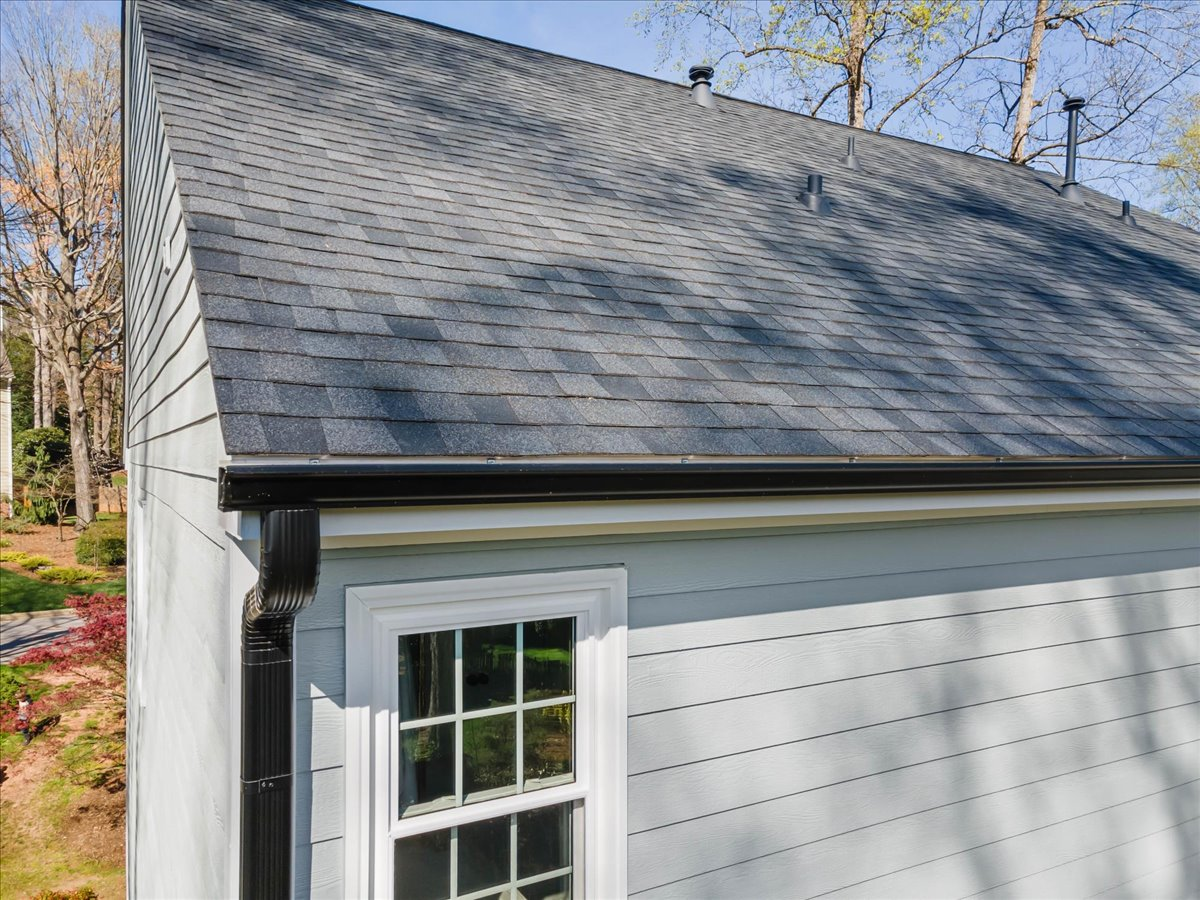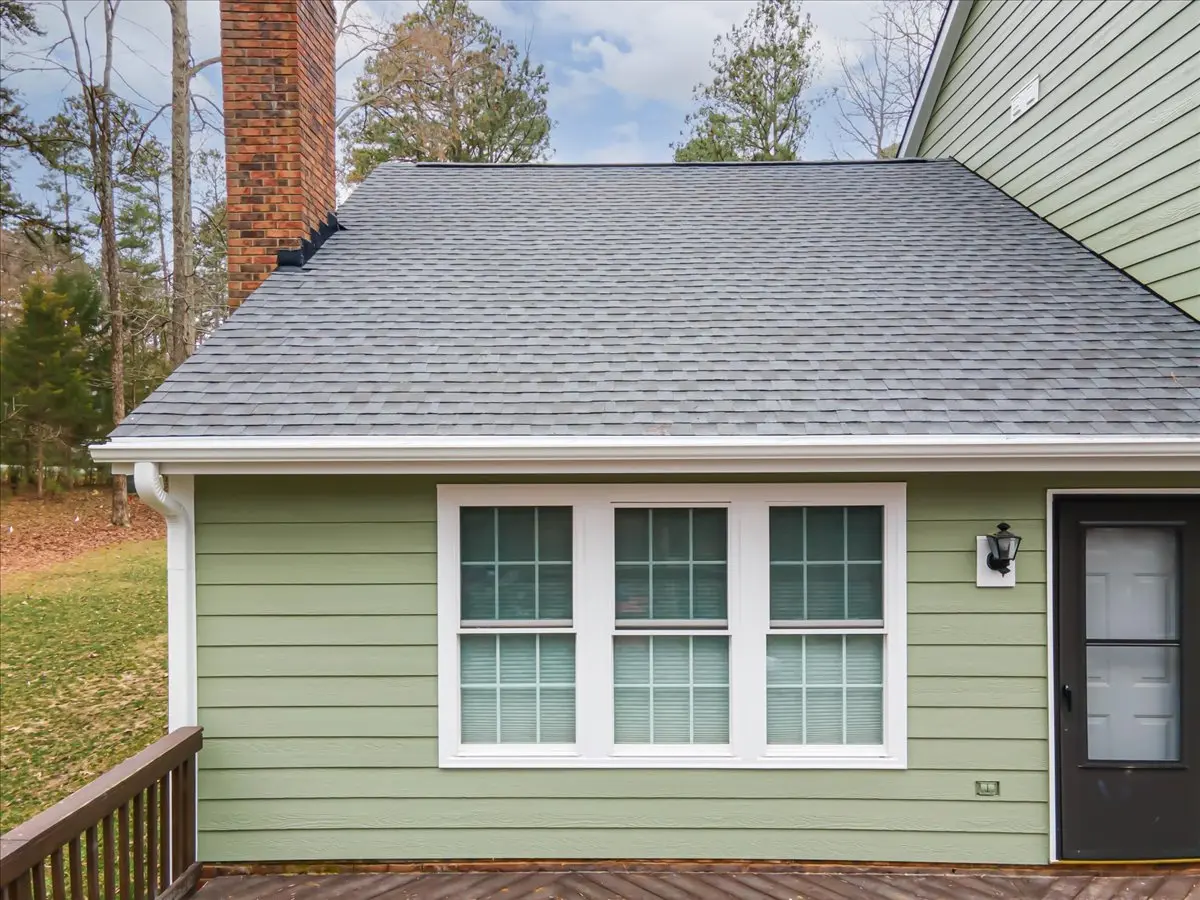
Choosing the right siding shapes your home’s exterior, impacting not only curb appeal, but also long-term durability, maintenance needs, and overall value. Among the most debated siding material comparisons is fiber cement vs wood. This guide offers a clear, head-to-head evaluation of the two, covering durability, fire resistance, maintenance, style options, installation considerations, environmental impact, cost, and even technical details that are often overlooked. This comprehensive comparison is designed to help you choose the siding that best fits your home and long-term goals. For professional siding services and expert guidance, visit Raleigh Windows & Siding.
Fiber Cement and Wood Siding: An Overview
Understanding the differences between fiber cement and wood siding starts with knowing how each material is made and what characteristics define its performance. Fiber cement is engineered for long-lasting durability and stability, while natural wood siding offers timeless beauty rooted in organic materials. Knowing these distinctions can help you choose the siding that best fits your design goals and maintenance preferences.
What is Fiber Cement Siding?
Fiber cement siding is a high-performance material made from a blend of cement, sand, cellulose fibers, and water. Through a controlled manufacturing process, these elements are pressurized and cured to create durable planks that resist fire, pests, rot, and moisture. Fiber cement is known for its strength, minimal maintenance needs, and ability to mimic authentic woodgrain textures without the downsides of organic materials. James Hardie is an industry leader in siding manufacturing and offers some of the most advanced fiber cement products.
What is Wood Siding?
Wood siding is crafted from natural lumber species such as cedar, redwood, or pine. Its rich texture and warm, organic appearance make it a longstanding favorite for traditional, rustic, or craftsman-style homes. However, because wood is a natural material, it requires regular maintenance, such as finishing or painting, to prevent damage from moisture and pests—factors that become key considerations when comparing fiber cement vs wood siding.
Durability and Weather Performance: Fiber Cement vs Wood Siding
Durability is one of the most significant differences between fiber cement and wood. Fiber cement is engineered to withstand harsh weather and long-term exposure, while wood’s performance depends heavily on regular upkeep and protection from the elements.
Resistance to Severe Weather
Fiber cement resists heavy rain, hail, humidity, snow, freezing temperatures, and UV exposure without cracking, warping, or swelling. Wood, by contrast, naturally expands and contracts with seasonal changes and is more prone to moisture absorption, which can lead to warping, rot, or surface degradation over time.
Fire Resistance
Fiber cement is a non-combustible material and often carries a Class A fire rating, making it an excellent choice for homes in fire-prone regions or for homeowners who want a little extra peace of mind. Natural wood siding is flammable unless treated with specialized fire-retardant coatings, and even then, it requires periodic maintenance and reapplication.
Pest and Termite Resistance
Fiber cement cannot be damaged by termites, carpenter ants, or wood-boring insects, offering worry-free pest protection. Wood siding, however, can become a target for pests if not properly sealed, maintained, and inspected.
Moisture, Mold, and Rot Protection
Fiber cement’s dense structure prevents water penetration, reducing the risk of mold and rot. Wood siding needs consistent painting or staining to block moisture; without it, rot, mildew, and surface breakdown can occur more quickly.
Aesthetics and Curb Appeal of Fiber Cement vs Wood Siding
Appearance is often the deciding factor for homeowners when choosing a siding material. Wood and Fiber Cement both offer distinct aesthetic advantages depending on your desired style.
Color, Texture, and Style Options
Fiber cement comes in a wide range of textures and profiles, including options that closely replicate cedar, clapboard, or board-and-batten. James Hardie siding also features ColorPlus® Technology, providing long-lasting, fade-resistant color. Wood siding, on the other hand, offers the timeless organic look of natural grain and can be painted or stained in countless shades, though it requires more frequent refinishing to maintain its appearance.
Architectural Applications and Authenticity
Wood delivers unmatched authenticity, warmth, and organic character—ideal for historic, cottage, or rustic designs. Fiber cement, however, offers nearly identical aesthetics with added durability and far less maintenance, making it a favored choice for homeowners who want the wood look without the ongoing upkeep.
Resale Value and Perceived Quality
Fiber cement siding is widely viewed as a premium, long-term investment that boosts resale value due to its durability, longevity, and low maintenance. Wood siding is prized for craftsmanship and beauty, but buyers may be hesitant about its maintenance demands, which can influence overall value.
Installation and Maintenance Requirements
Installation and long-term upkeep play a major role in how both materials perform over time. Understanding the differences in labor, maintenance, and warranty coverage will help you decide which siding best fits your lifestyle and budget.
Installation Complexity and Skill Requirements
Fiber cement siding is heavier than wood and requires specialized cutting tools, proper fastening systems, and precise safety measures. Professional installation is strongly recommended. Wood siding is easier to cut and shape, but still requires skilled craftsmanship to prevent gaps, moisture intrusion, and premature wear that can lead to costly repairs down the road.
Maintenance Needs (Painting, Staining, Sealing)
Wood siding must be painted or stained every 3–7 years to reduce moisture and pest infiltration, maintain protection, and refresh appearance. Fiber cement requires far less upkeep—most finishes last 10–15 years or longer, particularly when using factory-applied coatings like ColorPlus®.
Warranty Coverage and Longevity
Fiber cement siding typically carries 30–50-year warranties and maintains its structural integrity for decades. James Hardie products often include strong workmanship and product warranties. Wood siding generally has a shorter lifespan unless meticulously maintained, and warranties may be limited.
Performance and Energy Efficiency
Both wood and fiber cement siding can provide insulation and improve your home’s energy efficiency when installed correctly. Understanding the nuances of proper installation and underlayment needs can help you make an informed decision.
Insulation and Thermal Properties
Wood siding has natural insulating properties that can slightly improve a home’s thermal performance, but proper underlayment is still recommended to enhance moisture protection, energy efficiency, and overall performance. Fiber cement doesn’t provide insulation on its own, but when combined with proper sheathing, underlayment, and installation, it performs effectively. When installed correctly, both materials can provide durable, efficient protection for your home.
Cost Comparison and Overall Value
Understanding both upfront and long-term costs helps clarify the value difference between fiber cement vs wood siding.
Upfront and Long-Term Costs
Wood siding often costs more upfront, depending on the type of wood you choose, and requires ongoing investment in staining, sealing, and repairs. Fiber cement tends to be moderately priced and offers significantly lower lifetime maintenance costs.
Return on Investment
Fiber cement siding consistently ranks among the highest ROI home remodeling projects due to its durability, low upkeep, and broad buyer appeal. Wood siding maintains strong aesthetic value but requires greater long-term expense to keep it in premium condition.
Which Siding Is Right for Your Home: Why We Recommend Fiber Cement
While both options have their strengths, it’s pretty clear why fiber cement siding is the material we recommend. Compared to wood, fiber cement offers superior protection, value, and long-term resilience for most homeowners. It provides the beautiful, natural look of wood with dramatically lower maintenance needs, better fire and pest resistance, and stronger weather performance. When comparing fiber cement vs wood siding, fiber cement emerges as the practical, cost-effective choice for homes in Raleigh’s climate.
Get Expert Siding Replacement Around Raleigh, NC
Choose siding that protects your home, elevates curb appeal, and delivers long-term peace of mind. Raleigh Windows & Siding provides expert installation and guidance to help you make the best choice for your home’s exterior.
Transform Your Home with Raleigh’s Trusted Siding Professionals
Schedule a free consultation to explore siding styles, materials, and performance options tailored to your home. Our team specializes in James Hardie fiber cement siding, as well as durable engineered wood alternatives from LP® SmartSide®. With precise craftsmanship and top-quality materials, we ensure your home stays protected, beautiful, and efficient for years to come.